

Italian Coffee: The Definitive Guide
Italian coffee is one of the most imitated — and least understood — categories in the food world. Espresso, macchiato, cappuccino: these names appear on menus everywhere, but the real thing is a different experience entirely. If you've ever wondered what separates authentic Italian coffee from the cup you get at a chain café, this guide covers everything: the drinks, the beans, the brewing methods, and where to shop for the real thing in the US.
What Is Italian Coffee?
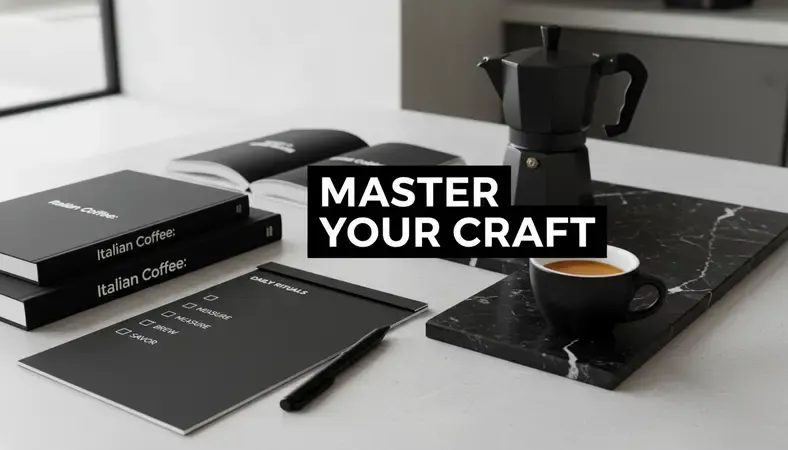
Italian coffee refers to the entire culture, technique, and tradition of coffee as practiced in Italy — not just a single drink or roast style. At its core, it's defined by espresso: a small, concentrated shot of coffee brewed under high pressure, typically served in a preheated ceramic cup.
Italy didn't invent coffee, but Italians perfected the espresso method. The first commercial espresso machine was patented by Angelo Moriondo in Turin in 1884. By the early 20th century, espresso bars had become the social backbone of Italian cities. Today, Italy has over 150,000 coffee bars — roughly one for every 400 people.
What makes Italian coffee distinct isn't just the brewing method. It's the entire approach: dark roasts that develop rich, low-acid flavor profiles, finely ground beans tamped with precision, and a cultural expectation that a shot should be consumed standing at the bar in under two minutes.
Key Insight: Authentic Italian coffee culture is built around the espresso bar — not the take-out cup. Speed, ritual, and quality coexist in a way that's genuinely hard to replicate outside Italy.
Italian coffee also extends well beyond espresso. The country has a full vocabulary of drinks — each with specific rules about when to drink them, how to order them, and what they contain.
Types of Italian Coffee Drinks
Understanding Italian coffee means learning its drink menu. Each preparation has a specific role in the daily rhythm of Italian life.
The Core Drinks
- Espresso (caffè): A single 25–30ml shot pulled in 25–30 seconds. This is the default when you order "un caffè" in Italy. Strong, rich, with a layer of golden crema on top.
- Doppio: A double espresso. Two shots, same cup. Common in the US but less standard in Italy, where a single shot is the norm.
- Macchiato: Espresso "stained" with a small amount of foamed milk. Two varieties exist — macchiato caldo (hot, with steamed milk) and macchiato freddo (cold, with cold milk).
- Cappuccino: One-third espresso, one-third steamed milk, one-third milk foam. Italians drink this only in the morning — ordering one after noon is considered a social faux pas.
- Caffè Latte: More milk than a cappuccino, less foam. Typically a breakfast drink, often consumed at home with a moka pot.
- Caffè Americano: Espresso diluted with hot water. Created for American soldiers in WWII who found straight espresso too intense.
- Caffè Corretto: Espresso "corrected" with a small pour of grappa, sambuca, or another spirit. An afternoon or after-dinner tradition.
- Marocchino: A layered drink of espresso, cocoa powder, and frothed milk — popular in northern Italy.
- Shakerato: Espresso shaken with ice and sugar until frothy. Italy's answer to iced coffee.
Seasonal and Regional Variations
Italian coffee culture also includes affogato — a scoop of vanilla ice cream "drowned" in a hot espresso shot. It sits at the intersection of coffee and dessert, and it's one of the most approachable ways to experience Italian coffee if you're new to the culture. Whipped cream occasionally appears in regional variations of drinks like the Viennese-influenced caffè con panna, where a shot of espresso is topped with a small dollop of unsweetened whipped cream.
Italian Coffee Drinks at a Glance
| Drink | Milk Content | Typical Time of Day | Intensity |
|---|---|---|---|
| Espresso | None | Any time | Very high |
| Macchiato | Dash | Any time | High |
| Cappuccino | 2/3 milk/foam | Morning only | Medium |
| Caffè Latte | High | Morning | Low-medium |
| Americano | None | Any time | Medium |
| Affogato | Ice cream | Afternoon/dessert | Medium |
| Caffè Corretto | None | Afternoon/evening | High + spirit |
| Shakerato | None | Summer/afternoon | High |
Italian Coffee Beans vs Ground Coffee
This is one of the most practical decisions you'll make when shopping for Italian coffee. Both have genuine advantages — the right choice depends on your setup and how often you brew.
Whole Bean Italian Coffee
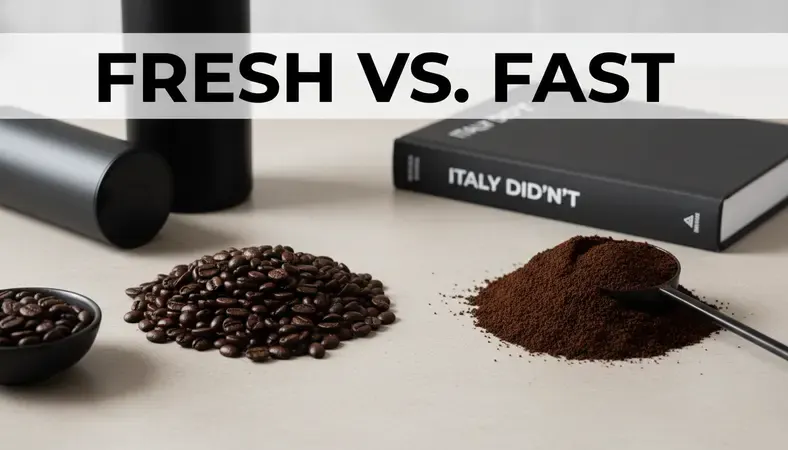
Whole beans stay fresh significantly longer than pre-ground coffee. Once ground, coffee begins oxidizing immediately — most of the aromatic compounds that give Italian coffee its character dissipate within 15–30 minutes of grinding. If you own a grinder, whole beans are always the better choice.
Italian roasters like Lavazza, Illy, and Kimbo typically offer their flagship blends in whole bean format. These are the same beans used in Italian coffee bars. Grinding fresh before each brew is standard practice in Italy.
Pre-Ground Italian Coffee
Pre-ground Italian coffee is the practical choice for moka pot brewing at home. The grind is pre-calibrated for the moka pot's pressure requirements — coarser than espresso, finer than drip. Brands like Lavazza Rossa and Kimbo Napoli are sold pre-ground specifically for this use case.
Pre-ground coffee in vacuum-sealed packaging retains acceptable quality for 6–12 months. Once opened, use within 2–3 weeks and store in an airtight container away from light and heat.
Which Should You Buy?
If you have an espresso machine with a built-in grinder — buy whole beans. If you're using a moka pot and brew daily — pre-ground is perfectly fine and more convenient. If you're buying Italian coffee as a gift or for occasional use — pre-ground in a sealed tin is the safest option.
Italian Coffee Brands We Offer
Amalfi Market stocks a curated selection of authentic Italian coffee brands sourced directly from Italy. These are not supermarket approximations — these are the same brands you'd find in Italian coffee bars and homes.
The Major Names
Lavazza is the most recognized Italian coffee brand globally. Founded in Turin in 1895, Lavazza supplies roughly 45% of the Italian home coffee market. Their blends range from the mild, balanced Qualità Rossa to the intense, dark-roasted Gran Selezione.
Illy is the premium benchmark. Based in Trieste, illy uses only 100% Arabica beans in a proprietary nine-origin blend. Their coffee is nitrogen-sealed in pressurized tins, which preserves freshness far longer than standard packaging. Illy is the choice for espresso purists.
Kimbo is the Neapolitan standard. Naples has its own coffee culture — darker roasts, more robusta in the blend, and a thicker crema. Kimbo captures this perfectly. Their Napoli blend is the go-to for anyone who wants the authentic southern Italian espresso experience.
Caffè Borbone has grown rapidly in Italy over the past decade, particularly in pod format. Their blends are bold, affordable, and consistently good — a strong option for Nespresso-compatible systems.
Amalfi Market also carries a selection of Italian coffee accessories and specialty items that pair naturally with your brewing setup. For recipe ideas that incorporate Italian coffee — including affogato variations and coffee-based desserts — the Recipes – Amalfi Market section of the site is worth exploring.
How to Brew Italian Coffee at Home
You don't need a commercial espresso machine to make excellent Italian coffee at home. The moka pot is the authentic Italian home brewing method — and it produces a result that's genuinely close to espresso.
Brewing with a Moka Pot
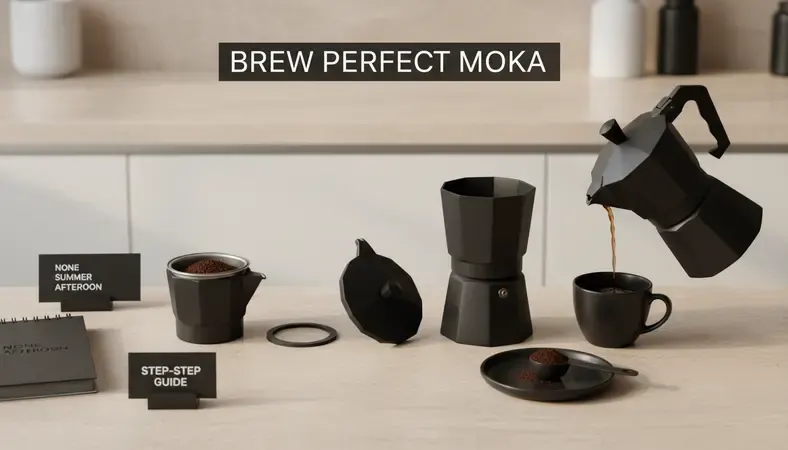
The moka pot (also called a stovetop espresso maker) was invented by Alfonso Bialetti in 1933. An estimated 90% of Italian households own one. It works by forcing pressurized steam through finely ground coffee, producing a strong, concentrated brew.
- Fill the bottom chamber: Add cold water up to the pressure valve — never above it. Using filtered water improves the taste noticeably.
- Load the filter basket: Fill it with pre-ground Italian coffee. Don't tamp it down — this is not espresso. Level the grounds and lightly press the surface flat.
- Assemble and heat: Screw the top and bottom chambers together firmly. Place on medium-low heat. Too high a flame scorches the coffee.
- Watch the pour: When you hear a gurgling sound and see coffee flowing into the upper chamber, reduce the heat slightly. Remove from heat when the upper chamber is about two-thirds full.
- Serve immediately: Stir the coffee in the upper chamber before pouring — the first and last parts of the extraction have different concentrations.
Brewing with an Espresso Machine
Home espresso machines produce the closest result to bar-quality Italian coffee. The key variables are grind size, dose (typically 18–20g for a double shot), and extraction time (25–30 seconds for a proper shot).
Use freshly ground whole bean Italian coffee. Pre-heat your portafilter and cup. Tamp with approximately 30 pounds of pressure. A well-pulled shot should have a rich, reddish-brown crema layer on top.
Italian Coffee Brewing Equipment
The equipment you use matters as much as the beans. Italian coffee culture has its own toolkit — and most of it is simple, durable, and built to last decades.
Essential Equipment
- Moka pot: The Bialetti Moka Express is the original and still the standard. Available in 1-cup to 12-cup sizes. Choose a size based on how many shots you brew at once — moka pots work best when filled to capacity.
- Stovetop-compatible base: If you have an induction cooktop, you'll need a moka pot with an induction-compatible base (Bialetti makes these) or a separate induction adapter disc.
- Burr grinder: For whole bean Italian coffee, a burr grinder produces a consistent grind that a blade grinder cannot match. Consistent grind size = consistent extraction.
- Espresso machine: Entry-level home machines from Breville, DeLonghi, or Gaggia can produce genuine espresso with Italian coffee beans. Look for 9-bar pressure — that's the standard for proper espresso extraction.
- Milk frother: A handheld frother or steam wand lets you make cappuccino and macchiato at home. For a proper cappuccino, you want microfoam — silky, not bubbly.
- Preheated cups: This sounds minor but it matters. Cold cups drop the temperature of espresso immediately. Italian bars keep their cups warm on top of the machine. A quick rinse with hot water before pouring makes a real difference.
Shop Italian Coffee Online
Finding genuine Italian coffee in the US used to mean specialty stores or expensive imports. Amalfi Market changes that. As the exclusive online US distributor of Perle di Sole and a direct importer of Italian specialty foods, Amalfi Market carries authentic Italian coffee brands with free shipping on orders over $50.
Shopping for Italian coffee online through Amalfi Market gives you access to the same brands sold in Italian bars and supermarkets — not Americanized versions reformulated for different markets. The selection includes whole bean and pre-ground options across multiple roast profiles, from the lighter northern Italian style to the dark, intense Neapolitan blends.
For anyone building out a full Italian pantry, Italian coffee pairs naturally with the broader range of Italian food available through Amalfi Market. The same attention to sourcing that applies to the coffee applies to everything else on the site.
You can also find Italian coffee as part of gift sets — a practical option if you're looking for something specific for someone who appreciates authentic Italian food culture. Check the Events – Amalfi Market page for seasonal promotions and curated gift options around the holidays.
Common Questions About Italian Coffee
What makes Italian coffee different from regular coffee?
Italian coffee is defined by the espresso method — high-pressure extraction that produces a concentrated, low-volume shot with a layer of crema. The beans are typically darker roasted than American or Scandinavian styles, and the grind is much finer. The result is a more intense, complex flavor in a smaller volume. Italian espresso culture also emphasizes specific ratios, temperatures, and serving rituals that don't exist in standard drip coffee traditions.
Can I make Italian coffee without an espresso machine?
Yes. The moka pot is the traditional Italian home method and produces a strong, concentrated brew that's very close to espresso. It doesn't reach the 9-bar pressure of a commercial machine, so the crema is lighter — but the flavor profile is genuinely Italian. A French press with a fine grind and a short steep time is a more distant approximation.
What's the best Italian coffee for a moka pot?
Pre-ground Italian coffee labeled specifically for moka pot use is the easiest starting point. Lavazza Rossa, Kimbo Napoli, and Caffè Borbone Miscela Rossa are all excellent choices. The grind is calibrated for the moka pot's pressure range — coarser than espresso grind, finer than drip. If you're grinding your own, aim for a medium-fine grind.
Why do Italians only drink cappuccino in the morning?
This is a cultural rule rooted in digestion. Italians believe that milk-based drinks are too heavy after a meal — the milk interferes with digestion of food. Cappuccino is a breakfast drink because it's consumed on an empty stomach. After lunch or dinner, Italians drink straight espresso. Ordering a cappuccino after a meal in Italy won't get you refused, but it will get you noticed.
What's the difference between Italian coffee and espresso?
Espresso is a brewing method. Italian coffee is a broader category that includes espresso plus all the drinks made from it (cappuccino, macchiato, latte, etc.), the cultural traditions around them, and the specific roasting and blending approaches Italian roasters use. All espresso can be Italian coffee, but not all Italian coffee is served as straight espresso.
Is Italian coffee stronger than American coffee?
By volume, yes — significantly. A standard espresso shot contains roughly 63mg of caffeine in 30ml of liquid. A standard 8oz drip coffee contains 95–165mg of caffeine in 240ml. So espresso is more concentrated, but a single shot has less total caffeine than a full cup of drip coffee. The caffeine content per serving depends on how many shots you're drinking, not just the brewing method.
Final Thoughts
Italian coffee is a daily ritual worth doing right — and the difference between authentic and imitation is real enough to taste. Shop Italian coffee beans, ground blends, and brewing equipment at Amalfi Market — direct from Italy, with free shipping over $50, so you can pull a proper shot without leaving home. Ready to get started? Visit Amalfi Market to learn more.